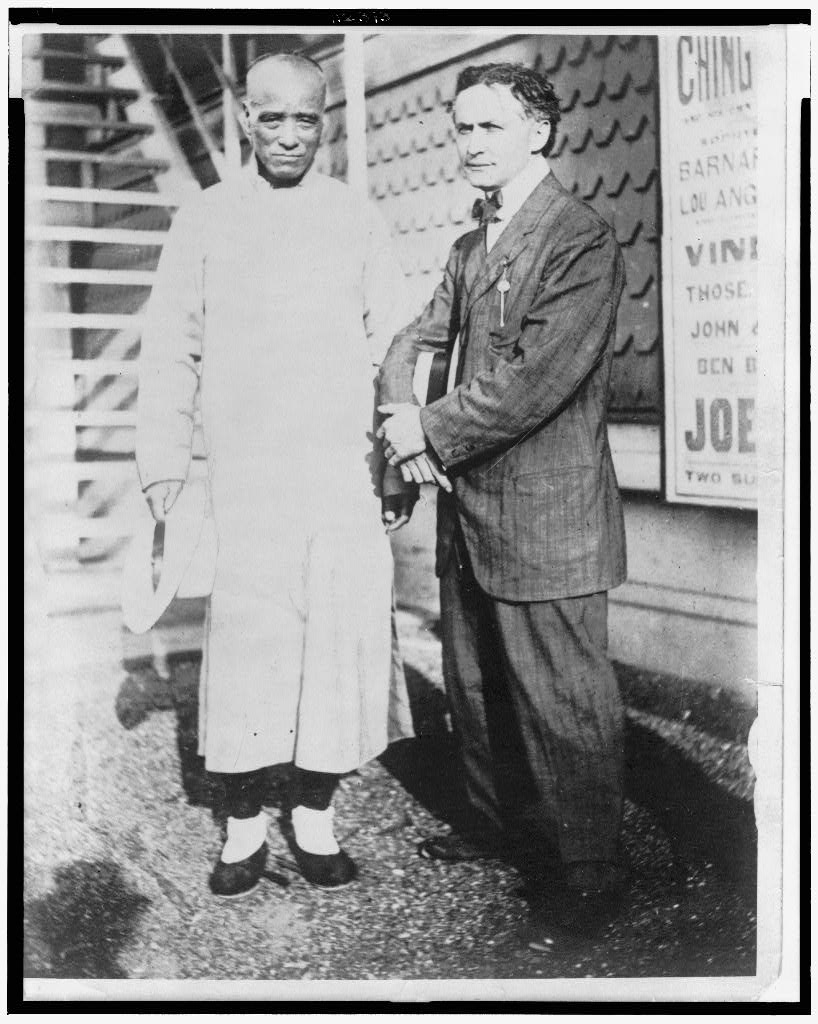
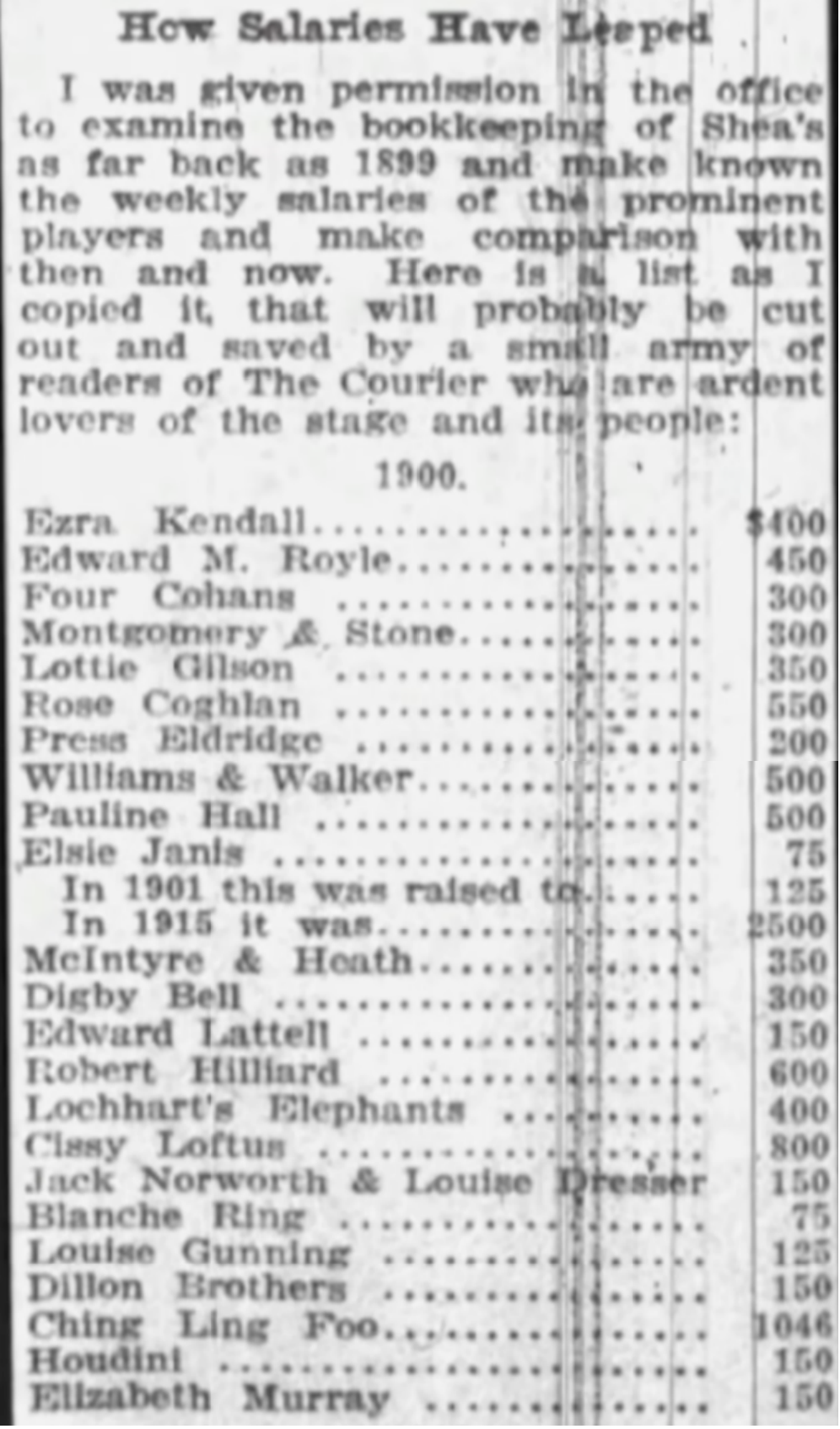
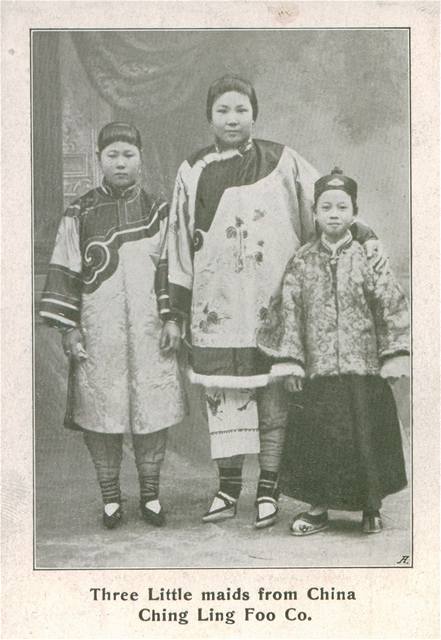
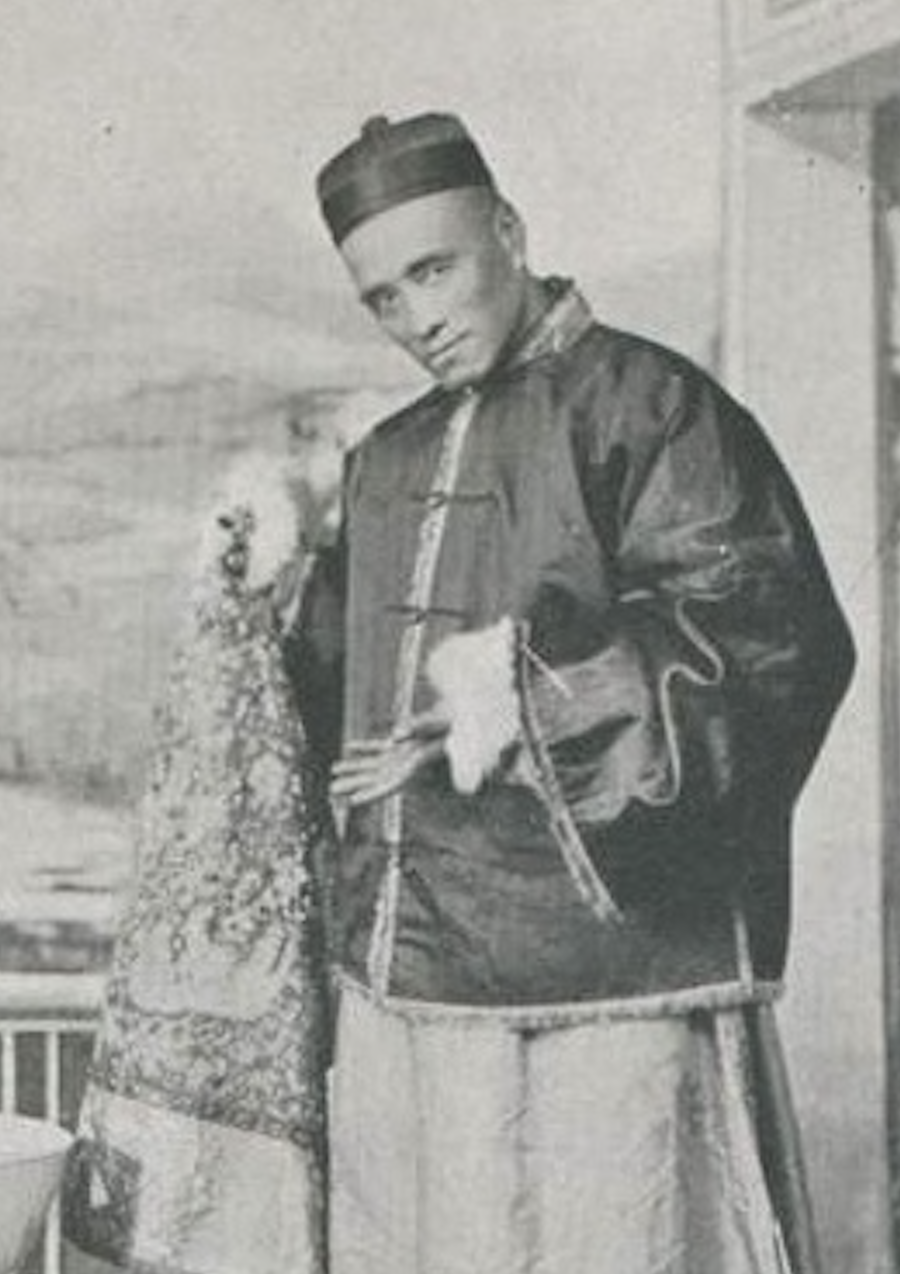
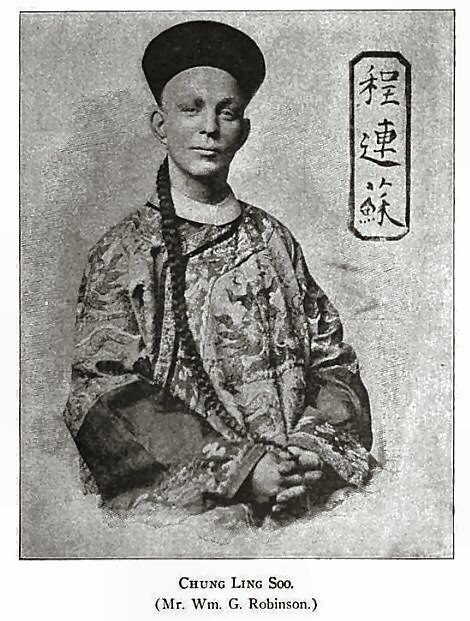
His name was Zhu Liankui, known across the West as Ching Ling Foo.
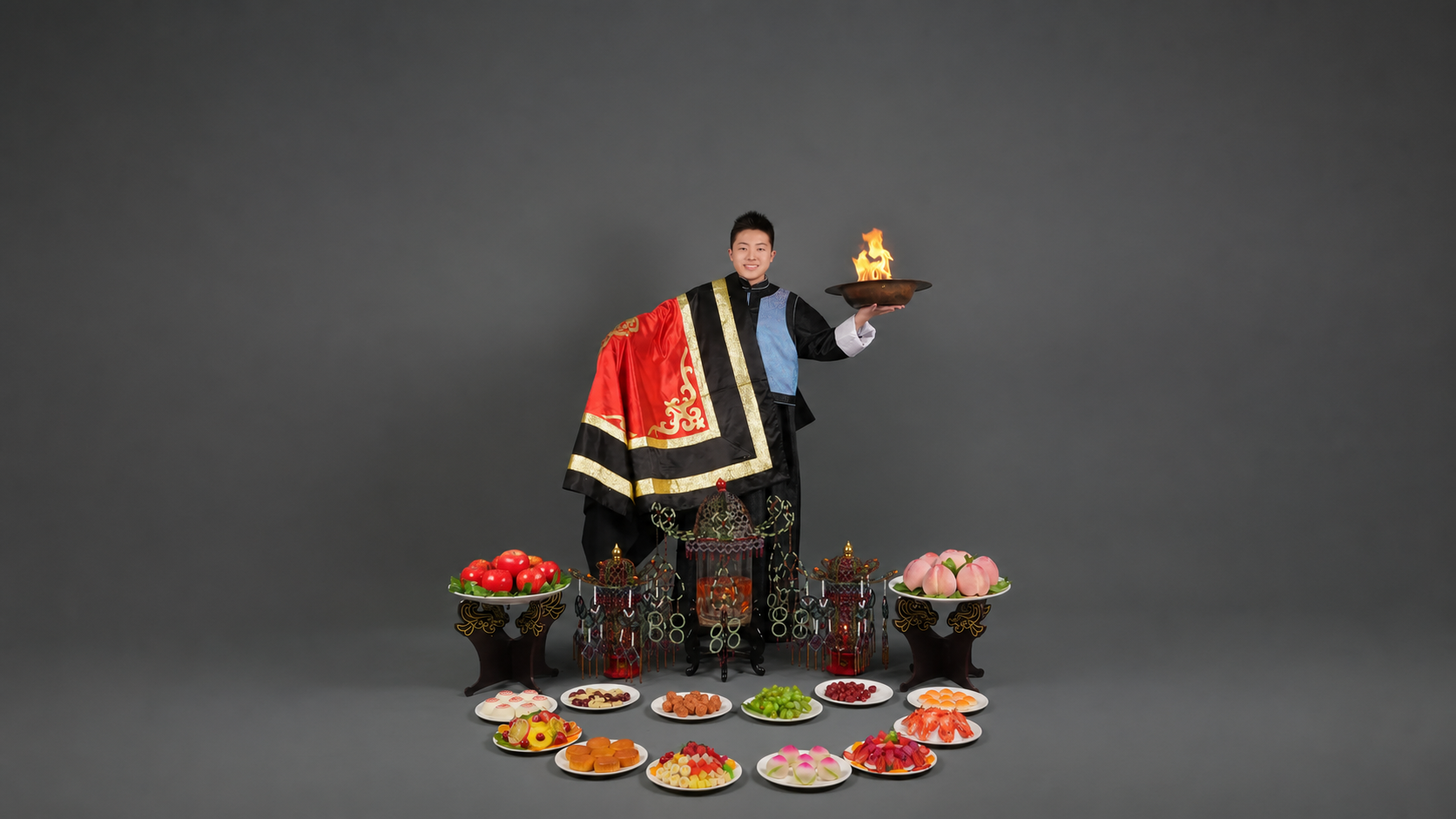
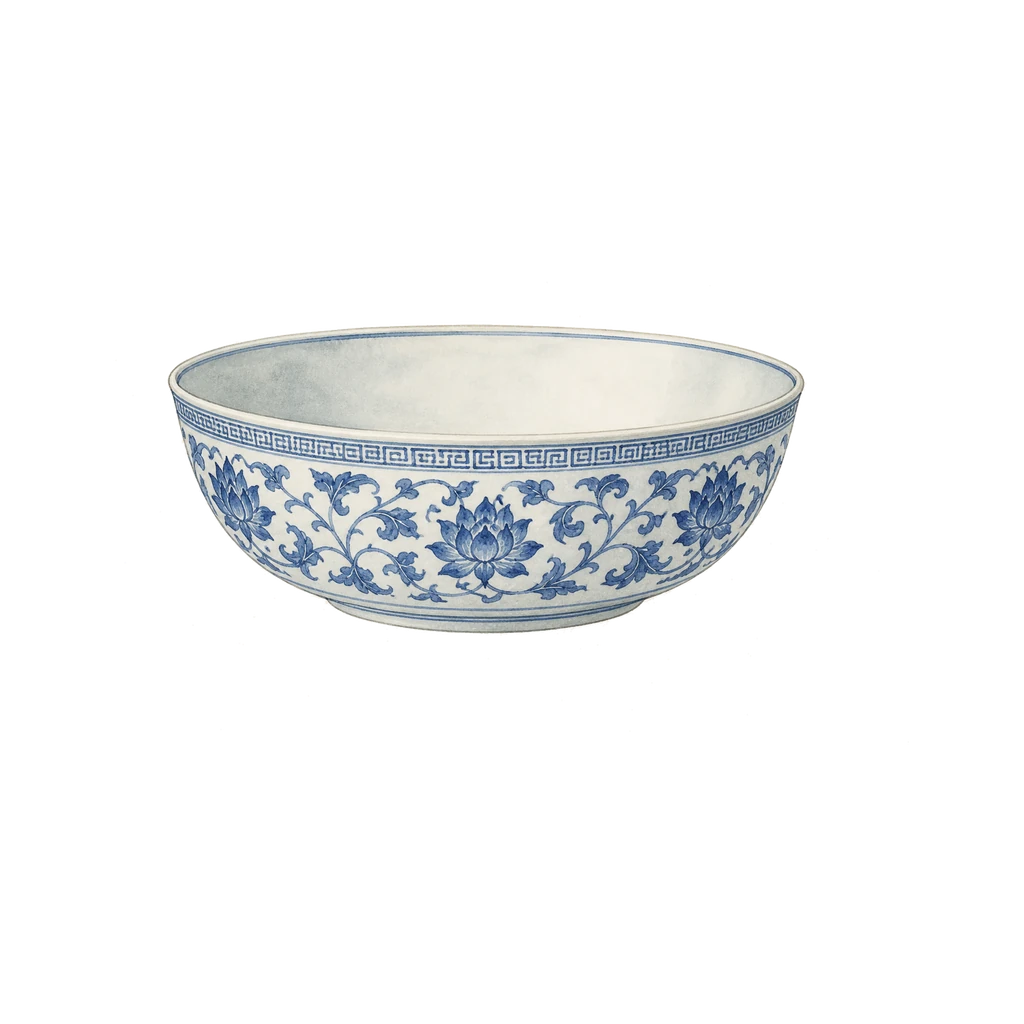
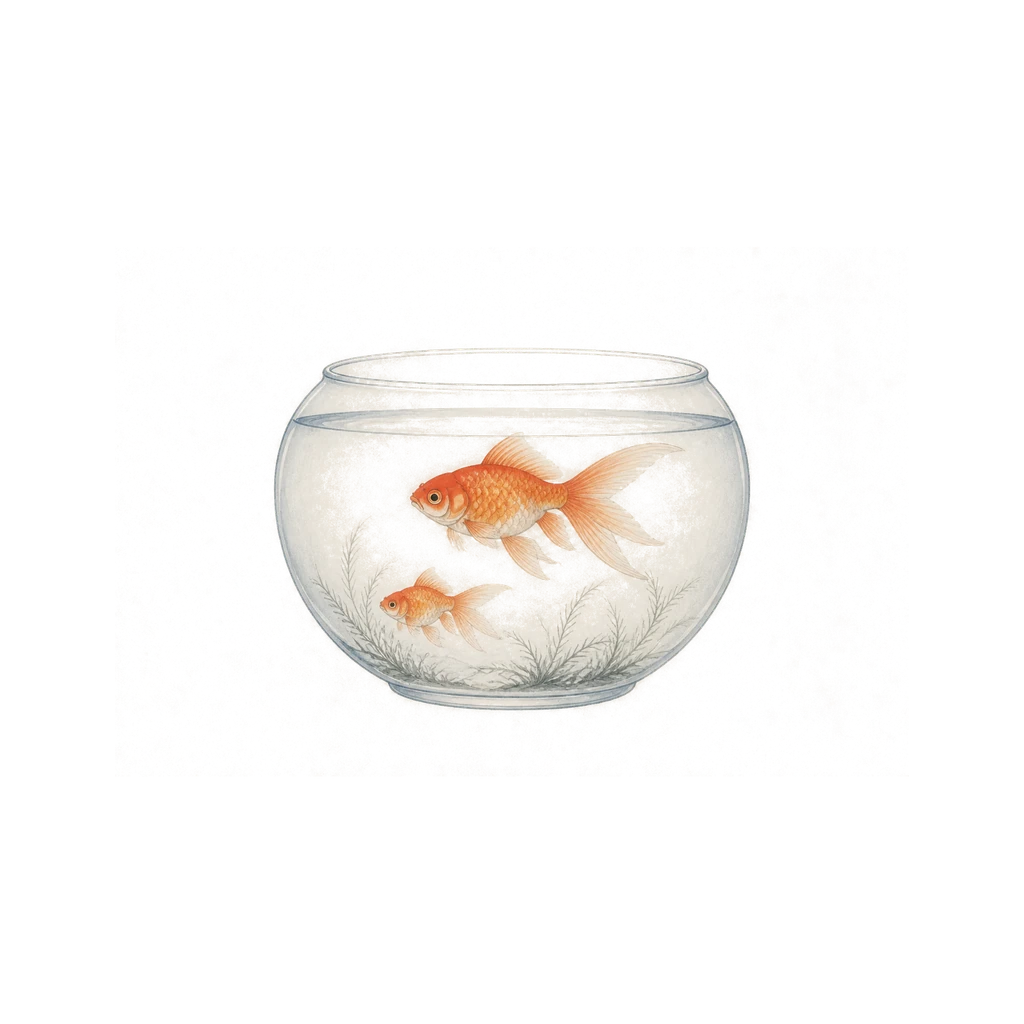
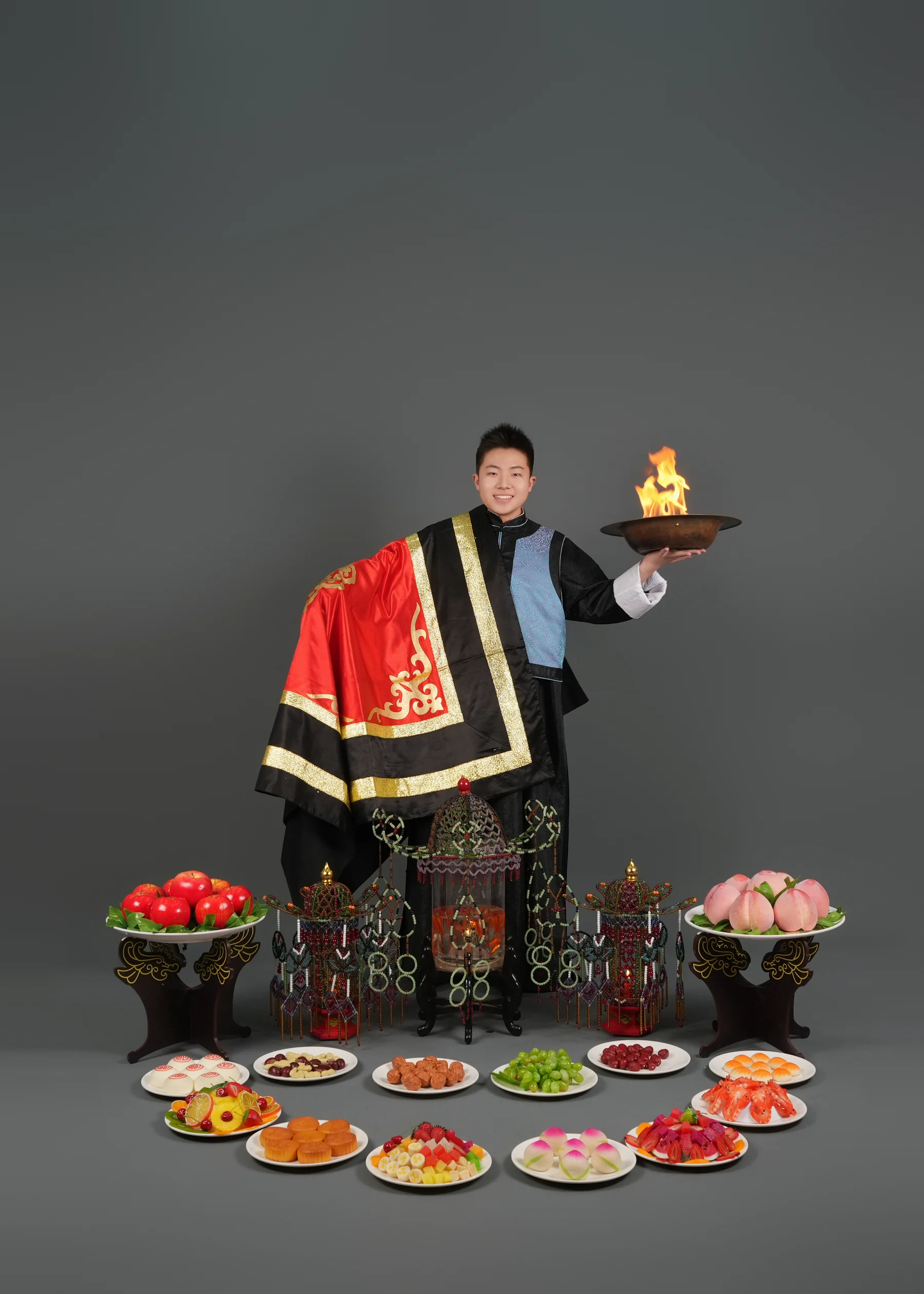
At the height of the Chinese Exclusion era, Foo stepped onto American stages in long embroidered robes. From their seemingly empty folds came enormous porcelain bowls filled with water, living goldfish, blazing braziers, and objects too large to have been concealed anywhere.
American audiences had seen stage magic. Foo made them feel that the laws of matter had briefly changed.
But behind the spectacle was a more painful performance.
During the 1898 Trans-Mississippi Exposition in Omaha, Foo’s ten-year-old son died. A contemporary newspaper described him wearing the white emblem of Chinese mourning, burning incense before the child’s body—and then returning to the stage because the performance still had to continue.
America welcomed the fantasy of “mysterious Chinese magic.” The Chinese artist himself entered a country that was actively restricting people who looked like him. When immigration authorities later attempted to expel members of his company, Foo fought through the American legal system for the right to remain.
He was celebrated, exoticized, restricted—and still indispensable.
Source ↗Source ↗